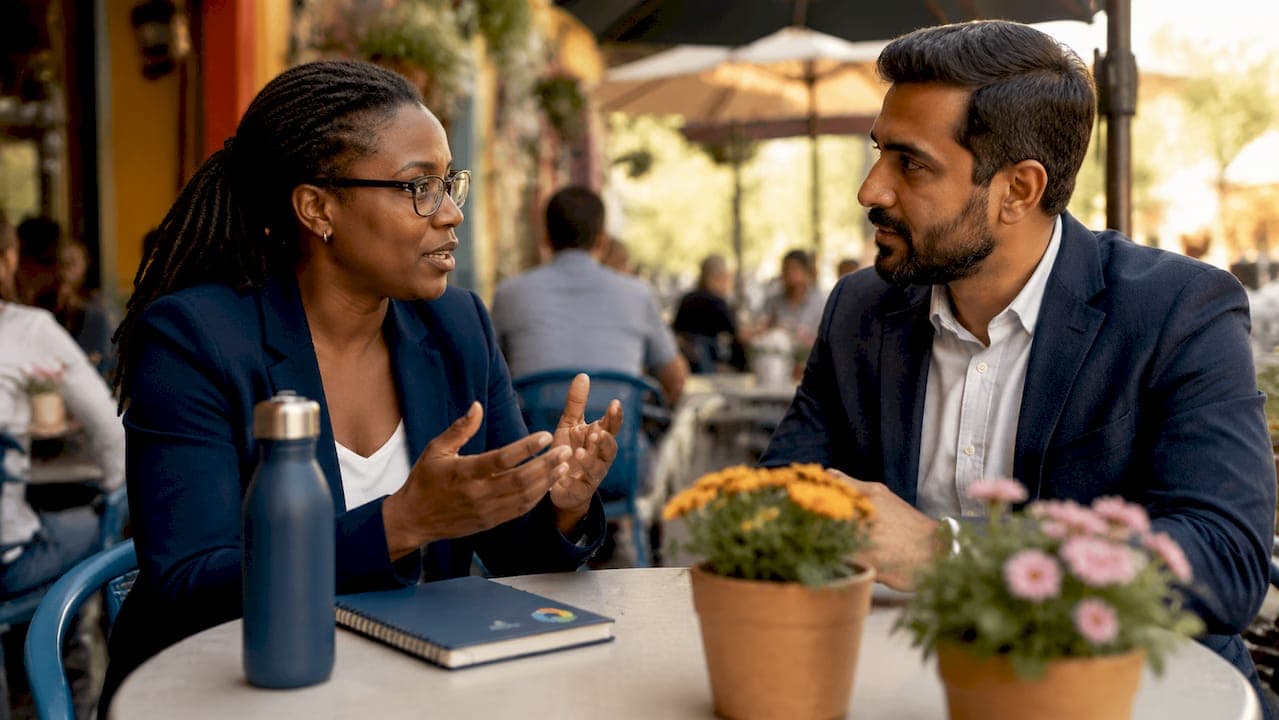
Facilitate difficult team conversations training is defined as a structured learning process that equips managers with the communication skills, frameworks, and mindset to lead sensitive workplace discussions without damaging trust or derailing team performance. Untrained managers tend to avoid these conversations entirely, which lets tension compound until it becomes a culture problem. The most effective training programs combine conflict resolution techniques, emotional intelligence development, and repeated practice in realistic scenarios. Truecolorsintl builds this kind of training into its leadership development work, grounding it in observable behavior rather than abstract theory. When managers learn to lead hard conversations well, teams communicate more openly, resolve disputes faster, and collaborate more effectively.
What core communication skills does facilitate difficult team conversations training build?
Active listening is the single most important factor influencing team cooperation. Managers who practice listening without defensiveness significantly reduce persistent conflicts and build stronger collaborative teams. That means resisting the urge to formulate a rebuttal while someone else is speaking, and instead focusing on understanding what the other person actually means.
The core skills that training must develop include:
-
Active listening. Reflect back what you hear before responding. This signals respect and reduces misinterpretation.
-
Assertive communication. State your position clearly without aggression. Assertiveness is not the same as confrontation.
-
Empathy and emotional intelligence. Name the emotion in the room before addressing the issue. Teams respond better when they feel seen.
-
Reframing conflict. Leaders who reframe conflict as collaborative inquiry rather than a battle to win produce more durable resolutions and stronger team cohesion.
-
Constructive questioning. Ask open questions that invite reflection rather than closed questions that invite defensiveness.
Repeated practice in real work conditions is what converts these skills from concepts into habits. Reading about active listening does not make you better at it. Role-playing a performance conversation with a peer, receiving feedback, and trying again does. Experiential learning with feedback sharpens negotiation and mediation skills in ways that lecture-based training cannot replicate.
Pro Tip: Record yourself during a practice conversation and watch it back. Most managers are surprised by how often they interrupt or shift the topic before the other person has finished.

Which tools and prerequisites prepare managers for challenging team talks?
Preparation is not optional. Managers who walk into a difficult conversation without a clear structure tend to either over-explain or shut down, both of which make the situation worse. Three prerequisites matter most: communication norms, psychological safety, and emotional tone.
| Conversation type | Best channel | Why |
|---|---|---|
| Sensitive or emotional topics | Live, synchronous (in person or video) | 70–90% of communication is non-verbal; tone and expression carry the message |
| Routine updates or decisions | Asynchronous (email, messaging tools) | Lower stakes; written record is useful |
| Conflict escalation | In person, private setting | Reduces defensiveness; allows real-time repair |
| Feedback on performance | Synchronous, one-on-one | Requires dialogue, not a monologue |
Teams that clearly define communication channels for sensitive versus routine topics experience fewer conflicts and greater productivity. That distinction matters because using the wrong channel for the wrong conversation creates confusion and prolongs dysfunction.
Psychological safety is the second prerequisite. Leaders who set an emotionally safe tone by caring personally and challenging directly produce more open and engaged team discussions. Training must teach managers how to model that tone before a difficult conversation begins, not just during it.
Pro Tip: Before any difficult conversation, write down the one outcome you need and the one thing you are willing to be wrong about. That exercise alone shifts your posture from defensive to curious.
How do managers step-by-step facilitate difficult team conversations?
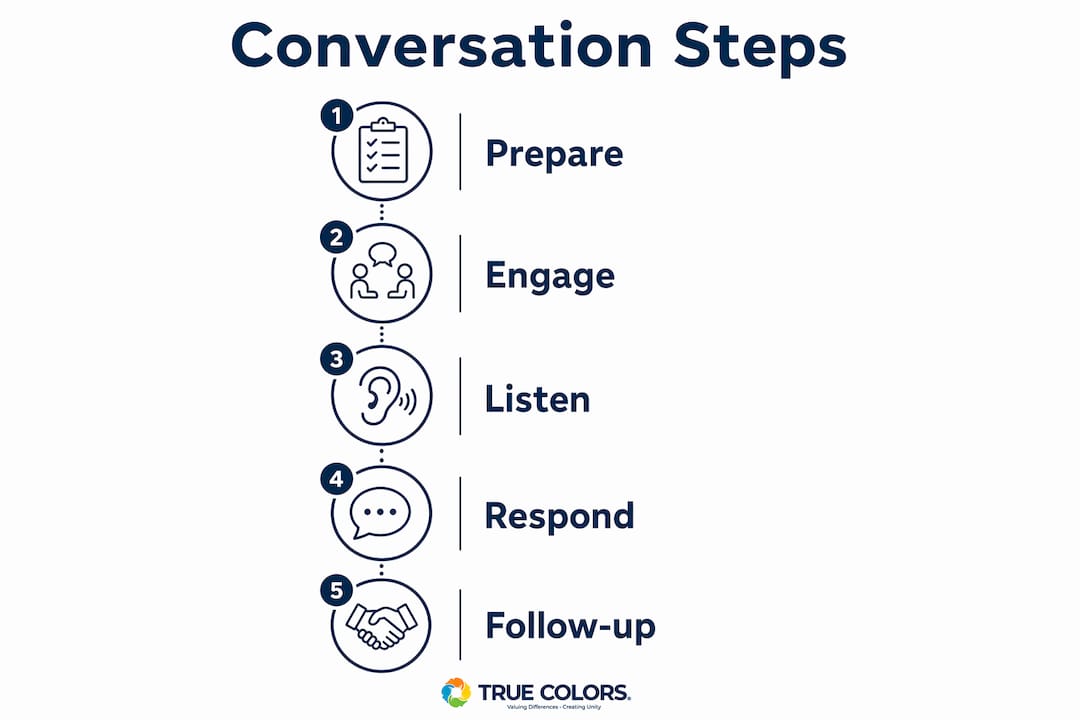
A clear process removes the guesswork from high-stakes dialogue. Structured models like 5S-5F-3A help leaders plan and execute difficult conversations effectively, managing emotional triggers and business outcomes simultaneously. The steps below reflect the core sequence taught in training programs.
-
Prepare. Clarify the specific issue, your goal for the conversation, and your own emotional state. Self-reflection before the meeting prevents reactive responses during it.
-
Open with intention. State the purpose of the conversation clearly and frame it as a shared problem rather than an accusation. “I want us to work through something that’s been affecting the team” lands differently than “We need to talk about your behavior.”
-
Listen first. Ask the other person for their perspective before sharing yours. This is not a formality. It often reveals information that changes the entire direction of the conversation.
-
Manage emotions in real time. When tension rises, slow down. Pause, name what you are observing, and invite the other person to continue. Avoid matching their emotional intensity.
-
Ask constructive questions. Move from “Why did you do that?” to “What was driving that decision?” The second question opens a door; the first closes one.
-
Agree on next steps. End every difficult conversation with a specific, shared commitment. Vague closings like “let’s keep talking” produce no change.
-
Follow up. Check in within one week. This signals that the conversation mattered and that accountability is real.
| Step | Key action | Common mistake to avoid |
|---|---|---|
| Prepare | Write down the issue and your goal | Entering without clarity |
| Open | Frame as a shared problem | Starting with blame |
| Listen | Ask for their view first | Jumping to your conclusion |
| Manage emotions | Slow the pace when tension rises | Matching their emotional intensity |
| Close | Agree on a specific next step | Ending without commitment |
| Follow up | Check in within one week | Treating the conversation as finished |
The tips for handling difficult discussions that experienced managers rely on all trace back to this sequence. The steps are simple. Executing them under pressure is where training makes the difference.
What common challenges arise, and how does training help managers overcome them?
The most frequent failure point in difficult conversations is the wrong communication channel. Attempting emotional or high-stakes dialogue over email or chat prolongs misunderstandings and dysfunction. Without non-verbal cues, tone is misread, intent is assumed, and the conversation spirals before it even begins.
Other recurring challenges include:
-
Emotional triggers. A team member reacts defensively, and the manager either backs down or escalates. Training teaches managers to recognize their own triggers first, then respond to the other person’s without absorbing them.
-
Resistant team members. Some people shut down or deflect. The trained response is to name the pattern without judgment: “I notice we keep coming back to the same point. What’s making it hard to move forward?”
-
Conversation derailment. The discussion shifts from the real issue to a list of grievances. Managers learn to redirect: “That’s worth discussing separately. Right now I want to stay focused on this specific situation.”
-
No resolution. Some conversations need to be paused and resumed. Training normalizes this. A productive pause is not a failure.
“Culture is not what is said. It’s what is repeated.” The same applies to conflict. Teams that repeatedly avoid hard conversations build a culture of avoidance. Teams that repeatedly work through them build a culture of trust.
Role plays with feedback during training simulate these exact challenges, allowing managers to calibrate their responses before facing them in real situations. Practice is not supplemental to this kind of training. It is the training. Understanding why managers avoid difficult conversations is the first step toward building the habits that replace avoidance with confidence.
Key Takeaways
Effective facilitation of difficult team conversations requires structured training that builds active listening, emotional intelligence, and a step-by-step process managers can apply consistently under pressure.
| Point | Details |
|---|---|
| Training builds specific skills | Active listening, assertive communication, and reframing conflict are learned behaviors, not personality traits. |
| Channel selection is critical | Sensitive conversations must happen synchronously; asynchronous tools prolong misunderstandings. |
| Preparation prevents reactivity | Clarifying your goal and emotional state before the conversation changes how you show up during it. |
| Practice creates real competence | Role-playing with feedback is the most effective method for building confidence in difficult dialogues. |
| Follow-up closes the loop | Checking in within one week signals accountability and reinforces that the conversation produced real change. |
What I’ve learned from watching untrained managers handle hard conversations
The pattern I see most often is avoidance dressed up as patience. A manager tells themselves they are “waiting for the right moment” or “letting things settle.” What they are actually doing is letting a small problem become a structural one. By the time they finally address it, the team has already formed opinions, taken sides, and built workarounds. The conversation that could have taken twenty minutes now requires weeks of repair.
What changes after structured training is not personality. Emotional intelligence is a learned skill, not an innate trait. Managers who go through a genuine workshop on tough conversations come out with a different posture. They stop treating conflict as a threat to manage and start treating it as information to work with. That shift is observable. You can see it in how they open meetings, how they respond when someone pushes back, and how they close out disagreements.
The leaders I have watched build the strongest team cultures are not the ones who never have conflict. They are the ones who address it early, directly, and without drama. They use conflict navigation frameworks consistently, not just when things get bad. That consistency is what makes the difference. Culture is not what you say in a training room. It is what you repeat in the hallway.
— Theresa Stairs
How Truecolorsintl supports managers in leading difficult conversations

Truecolorsintl builds communication training that goes beyond theory. The Connected Leadership Program gives managers the frameworks, practice, and reinforcement they need to lead difficult conversations with confidence and consistency. Programs are grounded in human behavior, which means they address the emotional and identity factors that make hard conversations hard in the first place. For organizations looking to build this capacity at scale, Truecolorsintl’s communication training programs connect individual skill development to broader culture change. The result is a team that communicates better, not just during training but every day after.
FAQ
What is difficult team conversation facilitation training?
Difficult team conversation facilitation training is a structured program that teaches managers to lead sensitive workplace discussions using active listening, emotional intelligence, and conflict resolution techniques. It combines skill-building with repeated practice in realistic scenarios.
How long does it take to see results from this training?
Behavioral change from communication training typically becomes visible within weeks of consistent practice. Role-playing with feedback accelerates the process by giving managers immediate, specific input on their responses.
What communication channel should managers use for difficult conversations?
Managers should always use synchronous communication, such as in-person or video meetings, for sensitive or emotional topics. Research shows that 70–90% of communication is non-verbal, making asynchronous tools like email poorly suited for conflict resolution.
How does psychological safety affect difficult conversations?
Psychological safety determines whether team members speak honestly or protect themselves. Leaders who model personal care and direct challenge create the conditions where difficult conversations produce real resolution rather than surface agreement.
Can conflict resolution skills be learned, or are they innate?
Conflict resolution skills are learned behaviors. Structured training, experiential practice, and consistent reinforcement build the same competence in managers who start with low confidence as in those who begin with natural aptitude.